
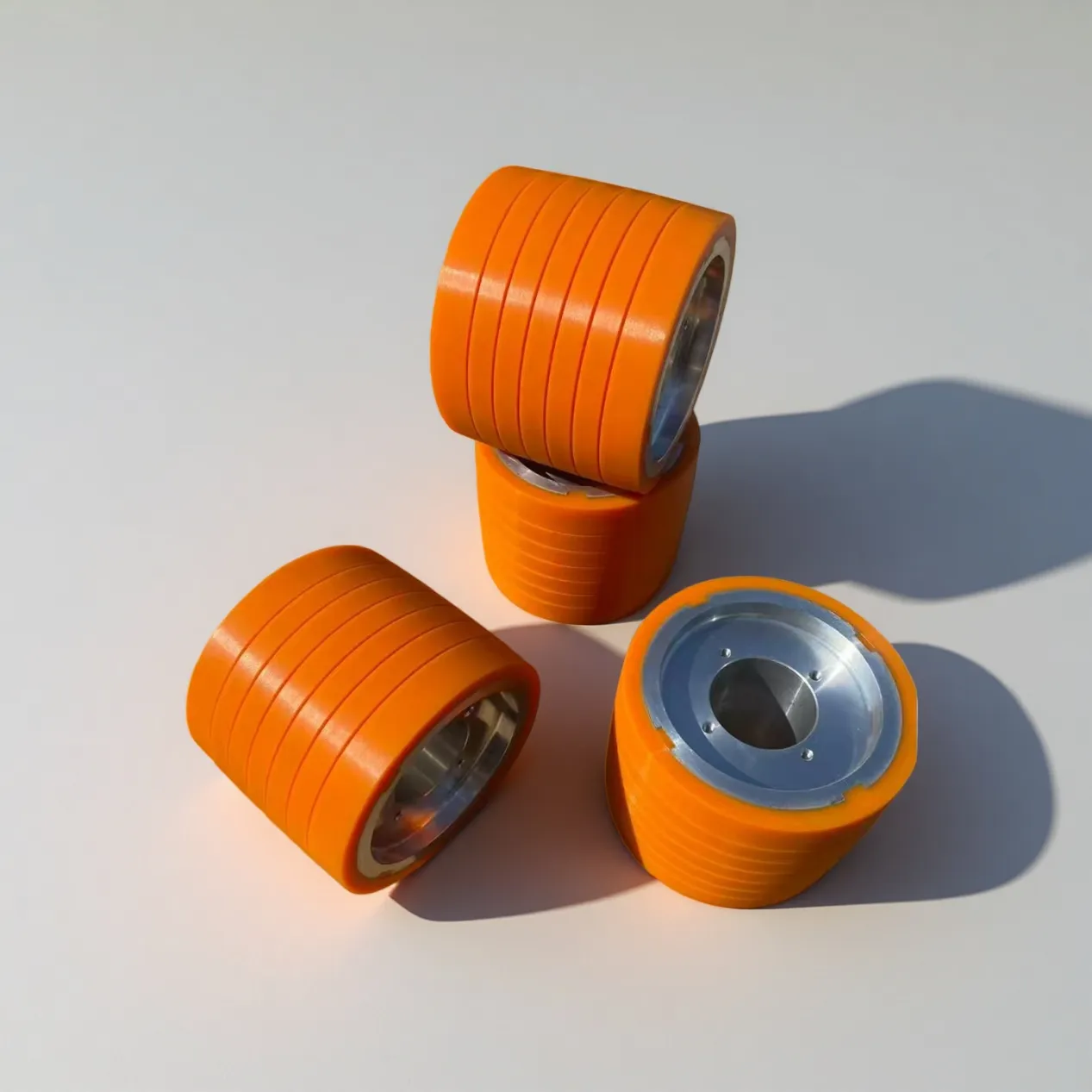
Why Custom Polyurethane Parts Meet Specifications but Underperform in Real Applications
When polyurethane parts underperform after passing inspection, check what the inspection actually demonstrated. Correct dimensions and a matc …
When polyurethane parts underperform after passing inspection, check what the inspection actually demonstrated. Correct dimensions and a matc …
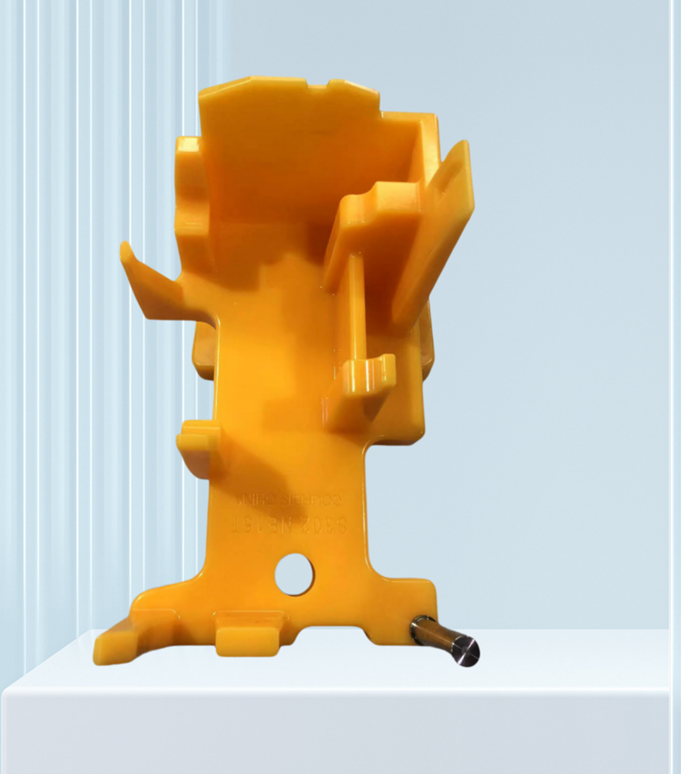
Custom polyurethane parts should be specified by what the finished component must do, how it connects to the machine and how acceptance will …
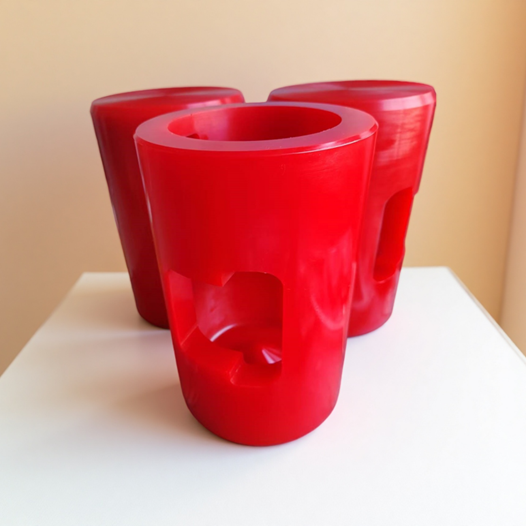
Polyurethane component procurement works best when every quotation refers to the same technical requirement, acceptance plan and delivery sco …

To source custom polyurethane parts, start with the component’s working function and the manufacturing capability needed to reproduce i …
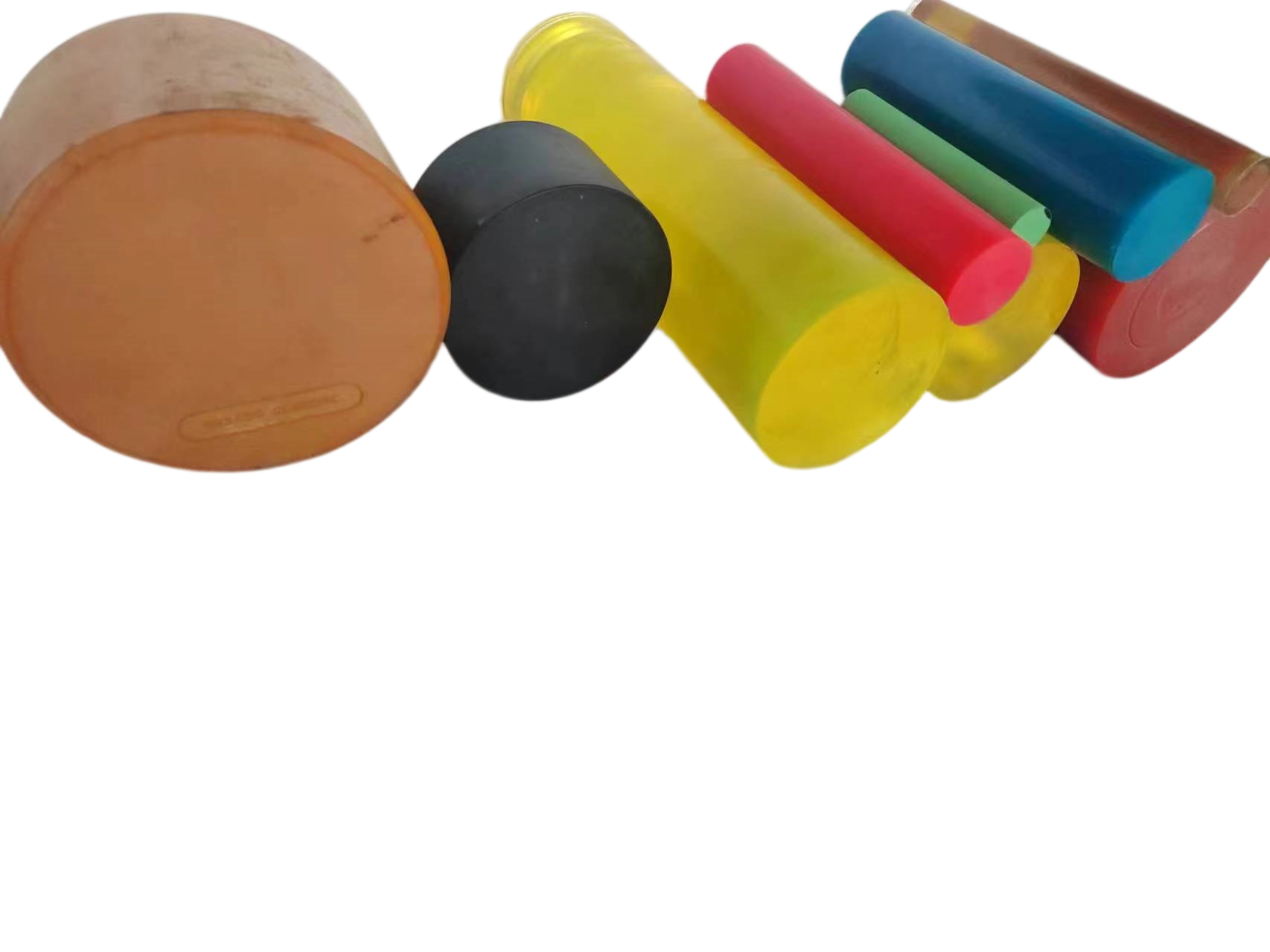
Polyurethane solid rods are cast stock shapes that can be cut or machined into suitable industrial components. Select them by the finished pa …

Polyurethane wheel delamination should be investigated by locating the separation and checking the wheel’s operating history. A lifted …

CPU vs TPU vs MPU is primarily a comparison of polyurethane material and processing routes, not a universal performance ranking. CPU generall …
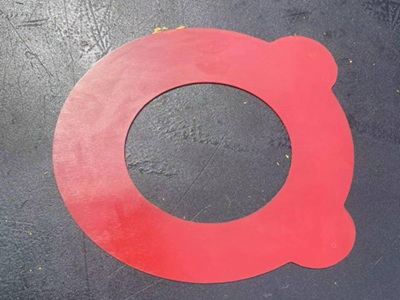
Select custom polyurethane pads and blocks by support load, dynamic response, mounting conditions and environment. Use component evidence and machine trials to approve the design.

Compare metal and cast polyurethane wear linings by wear mechanism, temperature, media, clearance and replacement effort. Define representative evidence before changing materials.

Review recurring wear-part costs through failure diagnosis, material fit, maintenance, repair and supply control. Compare full replacement events against useful operating exposure.
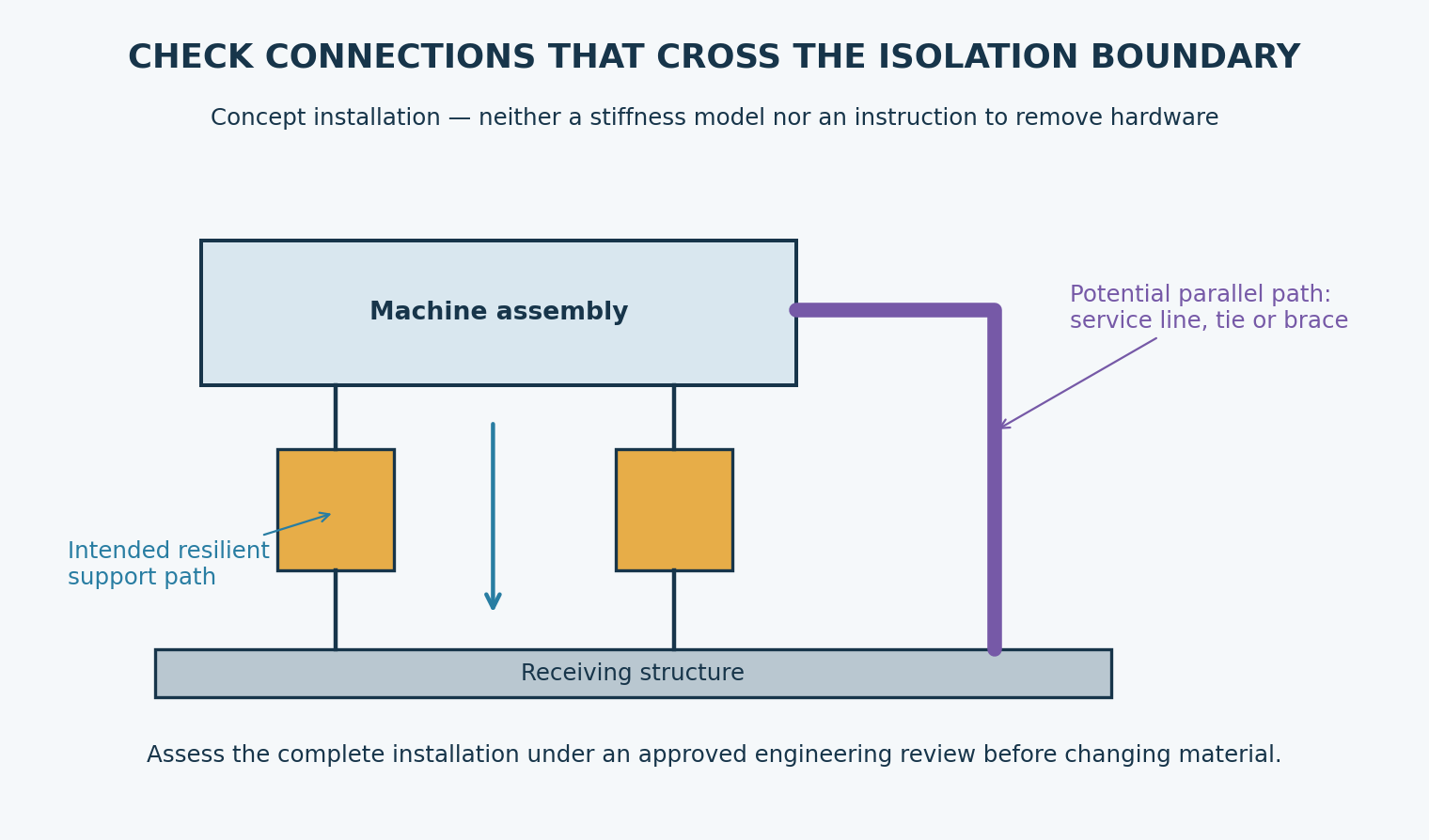
Review three approval traps in rubber damper replacement: assumed equivalence, overlooked parallel transmission paths and unmatched vibration comparisons. Use documented evidence to approve, hold or investigate.

Build a defensible shortlist for non-metallic wear linings. Screen material families against mandatory duty, media, fit and retention requirements, then identify the evidence needed for release.