
Gate valve seal selection starts with the sealing location, medium, temperature, maximum operating differential pressure and opening and closing requirements. Suitable EPDM compounds can be screened for clean water and NBR compounds for mineral-oil service. For seat rings and knife gate valve sleeves exposed to sandy water or abrasive slurries, wear-resistant polyurethane can be a candidate. Material tests and complete-valve validation must confirm the final choice.
This guide is for valve designers, equipment engineers and procurement teams. It focuses on valve seats, elastomer-covered gates and knife gate valve sleeves. Stem packing and bonnet gaskets operate under different conditions and require separate selection.
1 Understand the sealing function and failure
The seat and gate work together to shut off flow. Stem seals and bonnet gaskets primarily control external leakage. Failure may involve wear, cuts, liquid-induced swelling, hot-water hydrolysis or permanent deformation. Gate misalignment, groove dimensions and assembly problems can also cause leakage. Retain the old seal and inspect the damage location before deciding to change the material.
Designers should specify both closure tightness and permitted opening and closing force or torque. Procurement teams should carry these requirements into the enquiry and acceptance documents. Terms such as wear resistant, high hardness or zero leakage need defined measurement conditions and acceptance limits.
2 Distinguish seals by their location
| Location or construction | Main function | Selection priorities |
|---|---|---|
| Seat ring or seat seal | Seal against the gate when closed. | Contact pressure, wear, trapped particles and support. |
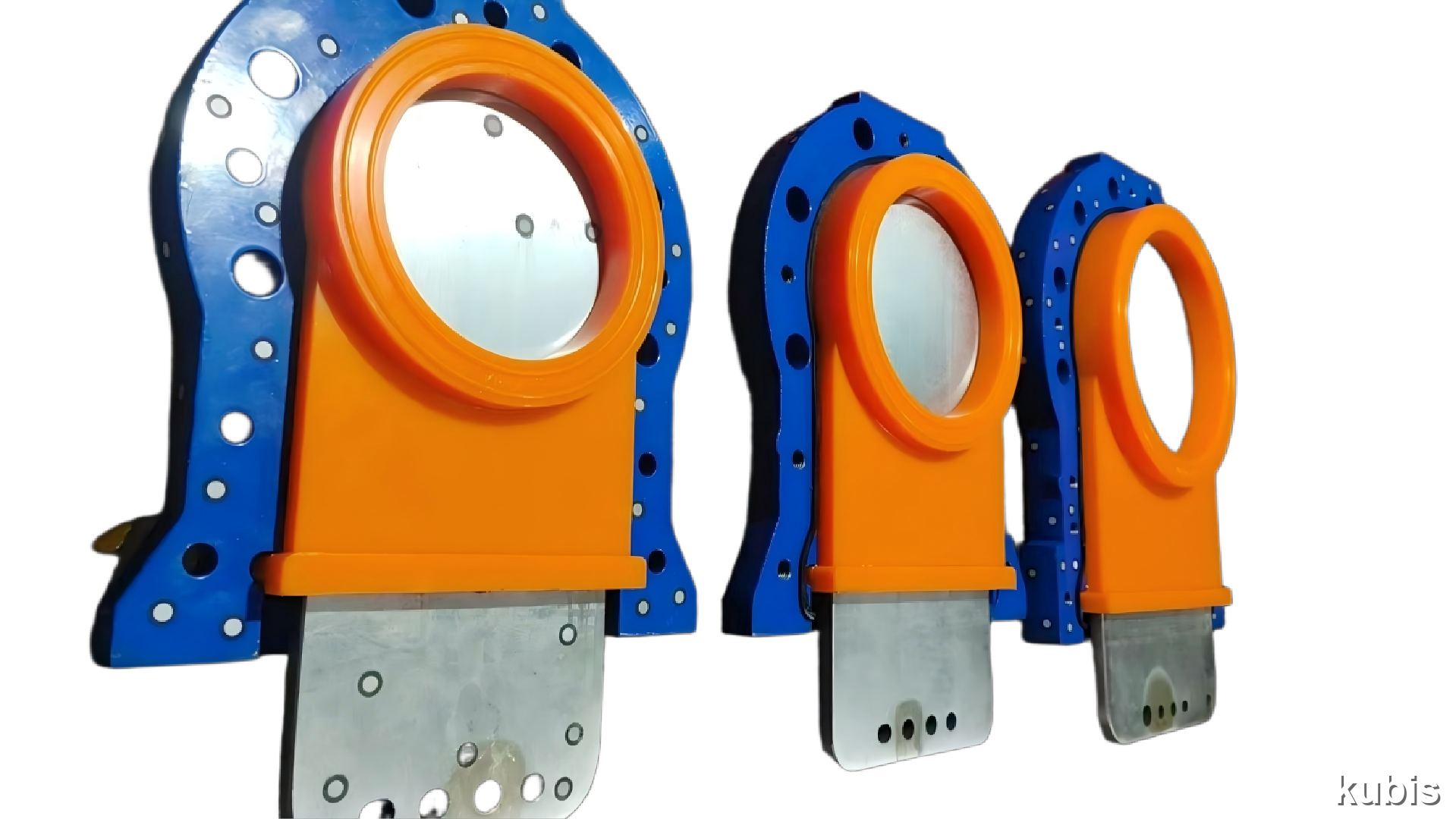
| Elastomer-covered gate | Work with the seat through the elastomer covering. | Cover integrity, adhesion to the substrate and recovery. |
| Knife gate sleeve or seat | Contact the blade and the slurry. | Cutting damage, erosion, flushing and discharge paths. |
| Stem seal or packing | Control leakage along the stem. | Stem motion, surface condition and packing arrangement. |
| Bonnet or joint gasket | Control leakage at a static joint. | Media compatibility, clamping load and temperature changes. |
Knife gate valves do not all use the same sealing arrangement. Two opposed sleeves are one option, not a universal design. When replacing rubber with polyurethane, recheck hardness, compression, support clearances and operating load even if the outline is unchanged.
3 Gate Valve Seal Selection by Material
Use this comparison to build a shortlist. It does not represent every compound within a material family or establish a final selection. Temperature, pressure and media limits must be tied to the specific grade and installed seal design.
| Material | Applications to evaluate | Limits to confirm |
|---|---|---|
| EPDM rubber | Clean water, selected wastewater and water-system soft seats. | Generally poor mineral-oil compatibility. Drinking-water use needs separate compliance evidence. |
| NBR rubber | Mineral oil and selected oil-containing media. | Temperature, additives and low-temperature flexibility depend on the compound. |
| Natural rubber | Selected abrasive water-based slurries. | Oil compatibility, ozone aging and actual cutting damage. |
| PTFE | Designs needing chemical resistance or low friction. | Cold flow, recovery and support. Evaluate filled grades separately. |
| Polyurethane | Seat rings or sleeves in abrasive service. | Hydrolysis, temperature, media compatibility and operating load. |
| Metal sealing surfaces | Selected high-temperature or high-load designs. | Surface finish, material pairing, wear and the required leakage criterion. |
No material resolves every problem. A clean-water valve does not necessarily benefit from polyurethane, and rubber is not automatically inferior in abrasive slurry. Compare specific compounds in the same medium, temperature, construction and test conditions. See polyurethane versus rubber for the broader screening comparison.
4 Where polyurethane seals may add value
Screen wear and tear behavior first
Polyurethane is worth evaluating when the existing seal shows thinning at the sealing contact, groove wear or growing cuts. LANXESS material background identifies wear resistance as an important polyurethane application driver. This supports shortlisting a candidate; it does not promise the service life of a particular valve.
For suitable elastomer specimens, ISO 4649:2024 provides a rotating-drum abrasion comparison. Laboratory abrasion results cannot be converted directly into valve operating cycles. Cutting by sharp particles, slurry erosion and actual gate friction still require relevant validation.
Adjust hardness and geometry together
Higher hardness may help resist deformation, but it can also reduce conformity and increase operating load. Review the seal section, preload, support clearance and gate surface together. Hardness alone does not establish the allowable differential pressure or justify reducing actuator capacity.
Separate material chemistry from processing route
Polyether or polyester describes one aspect of the chemistry. Cast polyurethane, or CPU, and thermoplastic polyurethane, or TPU, describe another aspect of material and processing choice. Confirm both in the enquiry. Parts labelled PU with the same hardness can differ in hydrolysis resistance, recovery after compression, liquid compatibility and batch behavior. The cast polyurethane material selection guide explains this screening process.
Wear resistance does not mean low friction
Polyurethane is not inherently a low-friction material. Opening and closing force or torque depends on the formulation, contact pressure, surface roughness, lubrication and trapped particles. Measure initial and running loads, including changes after cycling, before confirming actuator margin.
5 Define the operating limits
Evaluate water exposure and temperature together
For continuous water-based service, evaluate hydrolysis-resistant compounds, including suitable polyether-based formulations. Require grade-specific conditioning and retained-property evidence. A chemistry label is a screening aid, not a seal temperature or pressure rating. Do not transfer TPU handbook data directly to a cast polyurethane seal.
Dry-heat aging, brief temperature exposure and post-curing temperature do not establish continuous service limits in hot water, steam or a loaded seal. Define hot-water immersion temperature, duration, composition and retained-property requirements. Steam service should not be approved solely because the material is described as polyether. See the polyurethane temperature range guide for exposure-related questions.
Describe the actual medium
Wastewater, slurry and oil resistant are incomplete compatibility descriptions. Identify acid or alkali concentration, oil and additives, solvents, cleaning agents and exposure time. Where needed, compare volume, hardness and relevant mechanical properties before and after liquid conditioning.
ISO 1817:2026 is a reference for evaluating liquid effects on applicable rubber materials. Have the laboratory confirm the scope, specimens and conditioning conditions for the proposed compound.
Check sustained compression and regulated uses separately
A seal may recover insufficiently after a long closed dwell. Include reopening and a closure-tightness check after the relevant hold condition. Drinking-water, food-contact and other regulated uses also need evidence for the target market and specific use. A material name or general physical-property report does not replace that evidence.
6 Turn design requirements into procurement acceptance
Provide one enquiry baseline
Designers should define the conditions; procurement should issue the same technical requirements to each supplier. Mark missing information and assign responsibility for confirming it, so quotations do not rest on different assumptions.
| Input | Information to provide |
|---|---|
| Valve and component | Valve type, nominal size DN, pressure designation PN, seal location and drawing revision. |
| Medium | Composition, concentration, pH range, oils and cleaning agents. |
| Solids | Mass or volume fraction, particle-size distribution, maximum size, shape and hardness information. |
| Temperature and pressure | Continuous and peak temperatures with duration; operating pressure, maximum operating differential pressure and flow direction. |
| Operation | Opening and closing frequency, stroke, speed, actuator type and permitted force or torque. |
| Mating design | Grooves, compression, support gaps, gate material and contact-surface roughness requirements. |
| Service target | Leakage criterion, target maintenance interval and existing failure photographs and operating records. |
| Supply scope | Prototype and production quantities, delivery, spares and special-use compliance requirements. |
Use three levels of acceptance
Material acceptance should identify the grade or controlled formulation, hardness range and relevant tensile, tear, abrasion, compression-set and liquid-exposure requirements. State units, methods, specimen preparation, temperature, time and acceptance limits. Numbers from different conditions should not be ranked directly.
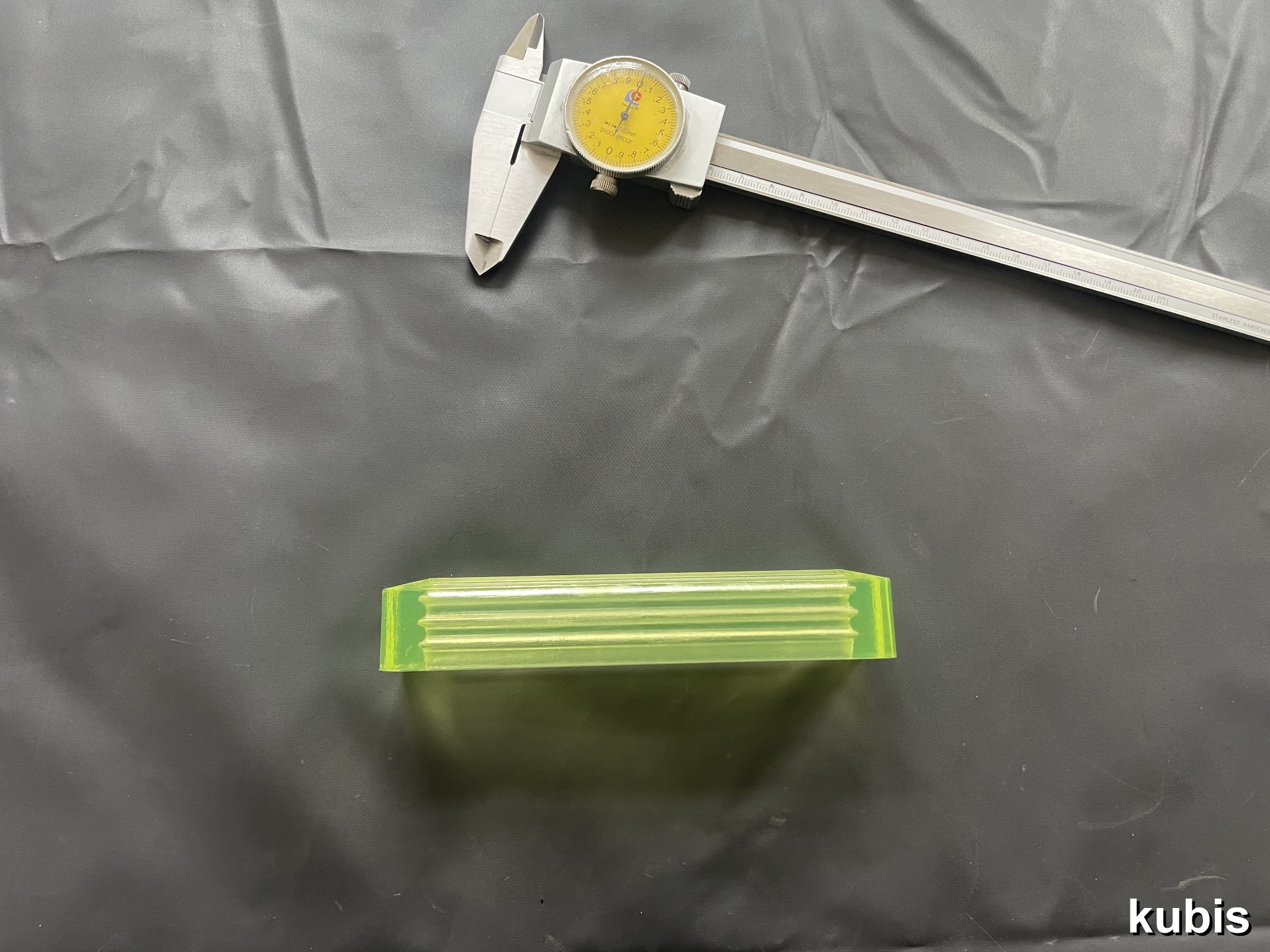
Component acceptance should cover the drawing, tolerances, critical sealing dimensions, visual condition, covering or bond quality and batch identification. Agree whether inspection follows curing, post-curing or conditioning, so supplier and buyer measurements use the same basis.
Complete-valve acceptance should follow the applicable product standard and contract. Select a suitable pressure-test basis, such as GB/T 13927-2022 or ISO 5208:2015, where applicable. Define the test medium, pressure, duration, direction and closure-tightness criterion, and add operating-load and cycling requirements. Passing a material test does not approve the valve.
First confirm sample compatibility and fit, then complete valve tests and any necessary field trial. Agree on the revalidation scope for changes to formulation, material source or a critical process. Production delivery should be traceable to the approved sample, drawing revision and material batch. Our custom seal material testing guide separates material screening from functional seal validation.
For purchasing documentation and repeat-order control, see the polyurethane component procurement checklist.
Compare total cost over the same operating period
Include part cost, replacement labor, planned downtime, unplanned downtime, validation and spares over the same period. If field-life data are missing, compare conservative, central and optimistic scenarios. Treat an expected life improvement as a procurement benefit only after the trial supports it.
7 Gate valve seal selection frequently asked questions
Q1. Can polyurethane directly replace a rubber seal?
Do not approve a replacement from its outline alone. Check compression, support gaps, hardness, media compatibility and operating load, then verify sample fit and complete-valve function.
Q2. What temperature can a polyurethane seal withstand?
There is no single upper limit for all polyurethane seals. Identify the grade, medium, exposure time, load and continuous or intermittent duty before confirming the range.
Q3. How should polyether and polyester be compared?
For sustained aqueous service, hydrolysis-resistant polyether compounds can be an initial candidate. For oil or other media, compare the specific formulations using conditioning and retained-property evidence. Chemistry names only support screening.
Q4. Does higher hardness improve sealing?
Not necessarily. It may resist deformation while reducing conformity and increasing operating load. Select hardness together with the section, preload and support design.
Q5. Does lower laboratory abrasion loss mean longer valve life?
Not necessarily. Erosion, cutting, hydrolysis, permanent deformation and assembly also affect life. Combine material comparisons with valve cycling and field evidence.
Q6. Is matching hardness enough for procurement?
No. Tie the order to an approved formulation or grade, drawing, relevant properties and acceptance methods. Equal-hardness compounds can differ in tear behavior, hydrolysis resistance and recovery.
Q7. How often should gate valve seals be replaced?
Use leakage, operating-load changes, wear and maintenance records. Set inspection points during a new-material trial, then adjust the replacement interval using the observed trend.
Q8. What if a complete drawing is unavailable?
Start with the old part, mating dimensions, valve type, duty and failure photographs. Confirm a controlled drawing and acceptance requirements before repeat supply. A worn or swollen part does not establish every original dimension.
Discuss Your Gate Valve Seal Application with Kubis Tech
Send your drawing or existing-part photographs, valve type,
medium and solids information, operating temperatures,
maximum operating differential pressure, and opening and
closing frequency.
For an existing failure, include photographs of the damage,
leakage history, and permitted operating force or torque.
These inputs help define candidate materials, component
geometry and sample validation requirements.
Request a Gate Valve Seal Review
Email:
l.tian@kubis-tech.com
See our
custom polyurethane component design guide
for drawing and enquiry preparation.
8 Standards and raw material references
The links below support checks of standard titles, public scope and material background. They do not replace the full standard or a grade-specific report. Use the applicable editions agreed in the contract. Sources checked on 3 November 2026.
GB/T 13927-2022 Industrial valves Pressure testing
ISO 5208:2015 Industrial valves Pressure testing of metallic valves
ISO 4649:2024 Rubber abrasion resistance using a rotating cylindrical drum
