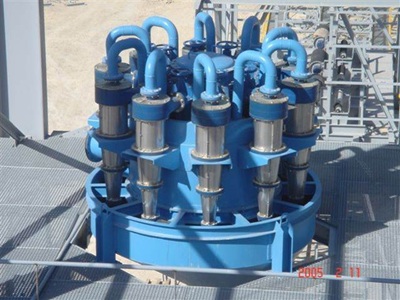

KUBIS TECH manufactures custom polyurethane pads for fixtures, machine assemblies and material handling equipment. We cast pads to suit the required contact surface, load and mounting arrangement. Projects can start with a drawing, an existing sample or a description of what the pad needs to do.
Request a quote for custom polyurethane pads
Where custom polyurethane pads are used
Jigs, fixtures and assembly lines
A fixture pad can support or locate a part during assembly, inspection or handling. Describe the surface it touches, how the load is applied and how much movement the fixture can allow. If the pad contacts a finished surface, identify the marks or damage you want to avoid and how you will inspect the surface after use.
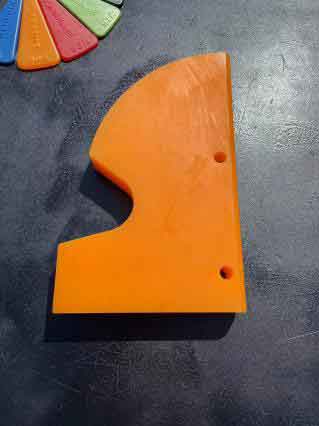
Conveying, handling and warehouse equipment
Pads can provide contact surfaces, stops or cushioning points on equipment that transfers or positions loads. Tell us whether the part sees repeated impact, sliding contact or sustained compression. Where grip matters, describe the mating surface and whether it is dry, wet or contaminated during service.
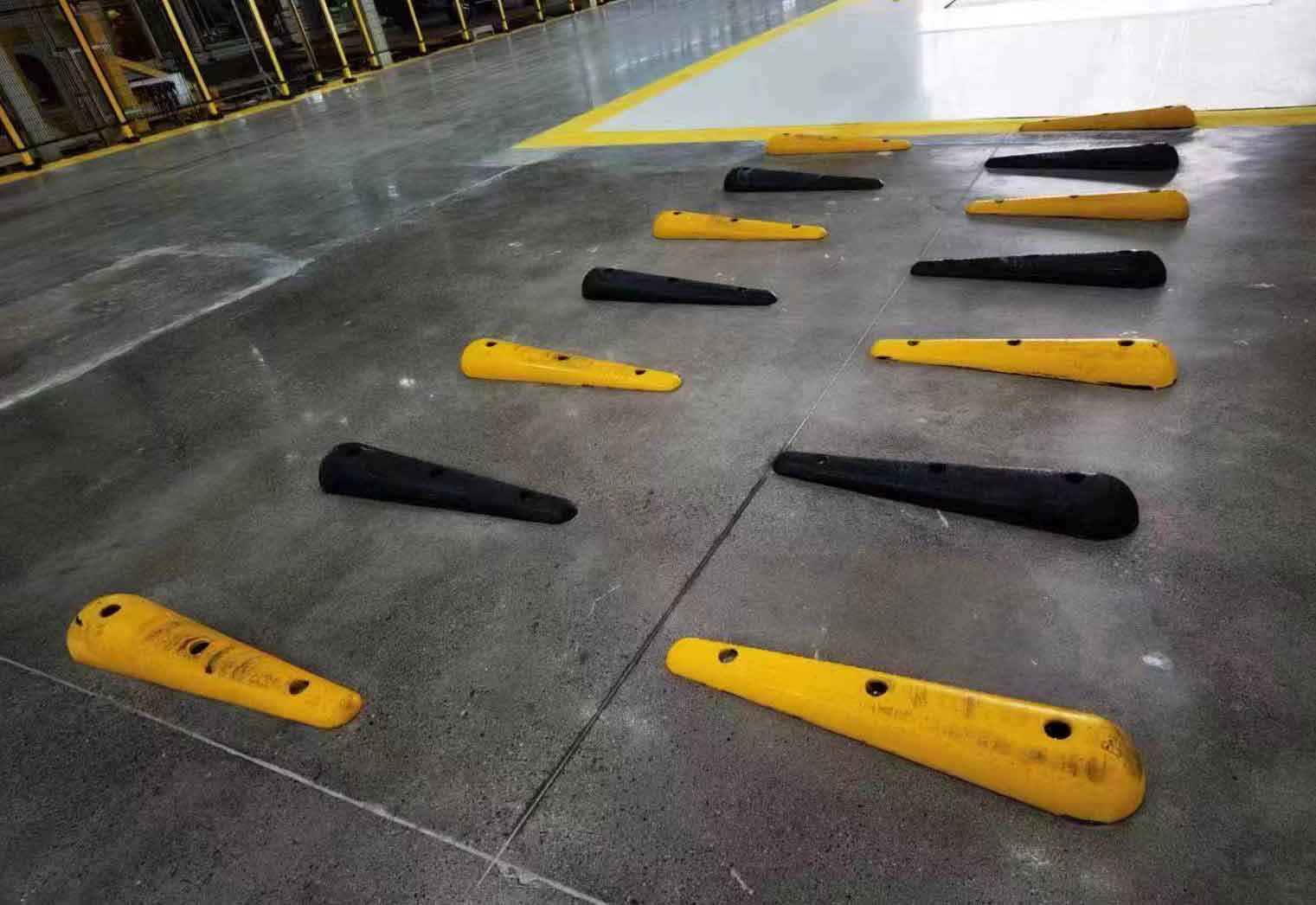
Industrial machinery and equipment support
Machine builders use pads for local support, cushioning and contact protection. For a support pad, specify the load and allowable deflection. For a stop or buffer, describe the impact direction, frequency and available travel. Where vibration control is part of the requirement, discuss how the pad will be assessed in the assembled equipment.
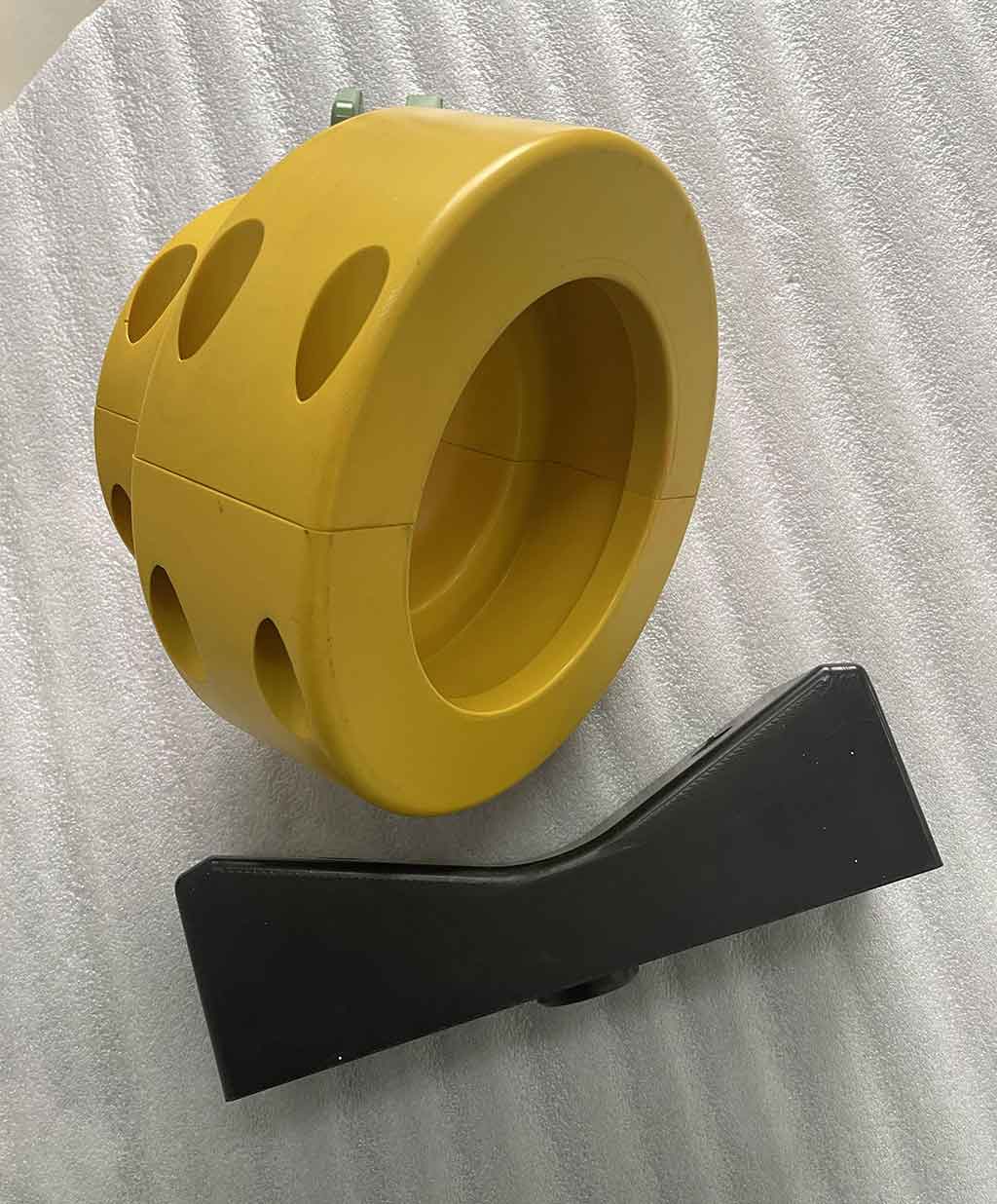
What we review for a custom pad
- Geometry and mounting. We review the contact surfaces, clearance, fixing holes and whether the application calls for molded-in inserts or backing. For a replacement, an unworn reference or a drawing can help confirm the original fit.
- Load and movement. Tell us whether the pad carries a steady load, sees repeated compression, cushions an impact or slides against another surface. Agree on the acceptable movement so the finished pad can be evaluated at the intended load.
- Service conditions. Describe the temperature, contact with water, oils or cleaning fluids, and any abrasive debris. These conditions help guide the choice of formulation and the checks for the finished part.
Hardness is one input. Pad thickness, contact area and how the part is constrained also affect how much it deflects. See our cast polyurethane material selection guide for more on matching material properties to service conditions.
What to check on the first sample
Check that the pad seats correctly and stays in place, then test it with the actual mating surface. Agree in advance on what counts as an acceptable result, such as deflection under the intended load, repeatable positioning in a fixture or the condition of a finished surface after contact.
How we handle confidential project information
We treat customer drawings, CAD files, samples, equipment details and operating data as confidential and use them for the project they were provided for. We ask for your permission before publishing your company name, project photographs or case details.
Start with a general description of the pad and its application. If you require a non-disclosure agreement (NDA), mention it in your first inquiry so we can discuss the agreement and how to exchange project files before you send them.
Request a custom polyurethane pad quote
Tell us whether the pad is for new equipment or a replacement and what it needs to do. If you are replacing a part, describe where it wears, compresses or loses fit. Let us know whether a drawing or sample is available, along with an estimated quantity or target date if you have one.